How to

Clean-up Now to Prevent Spring Problems

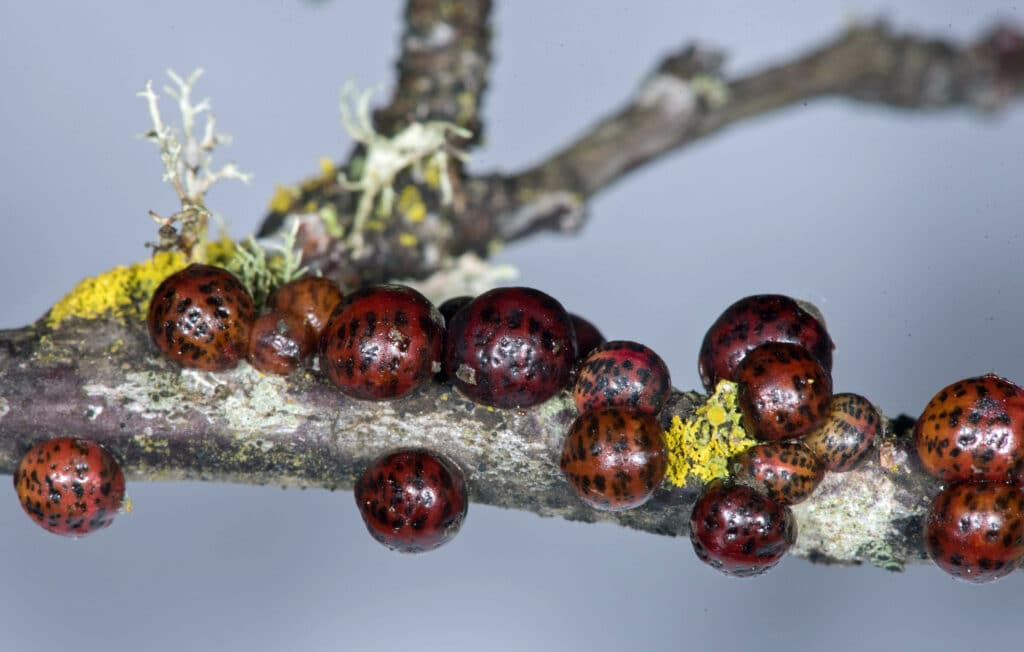
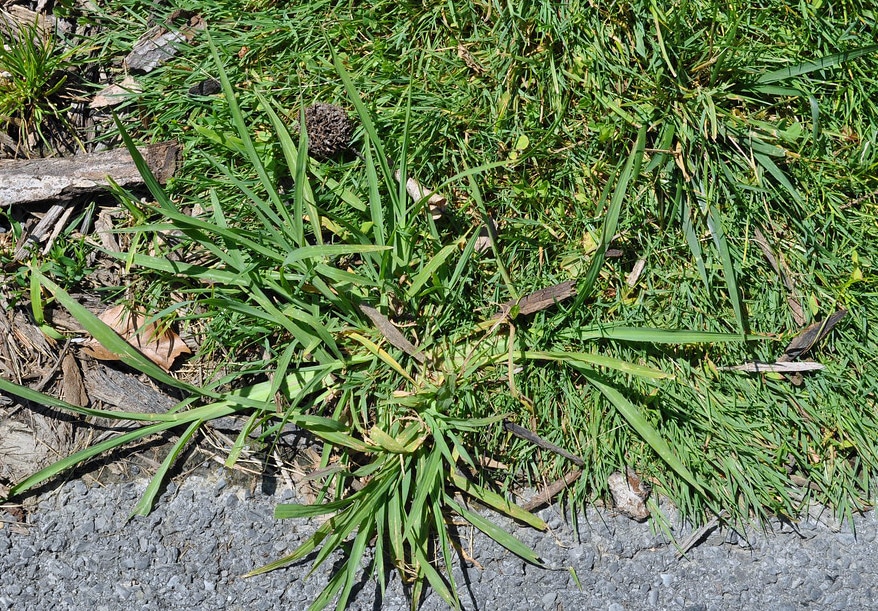
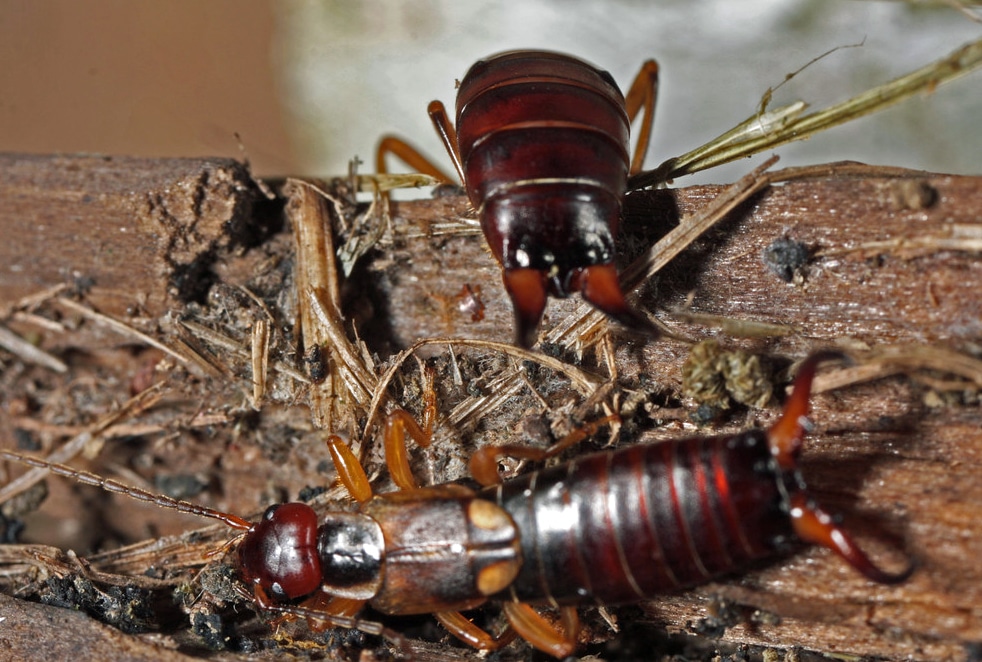
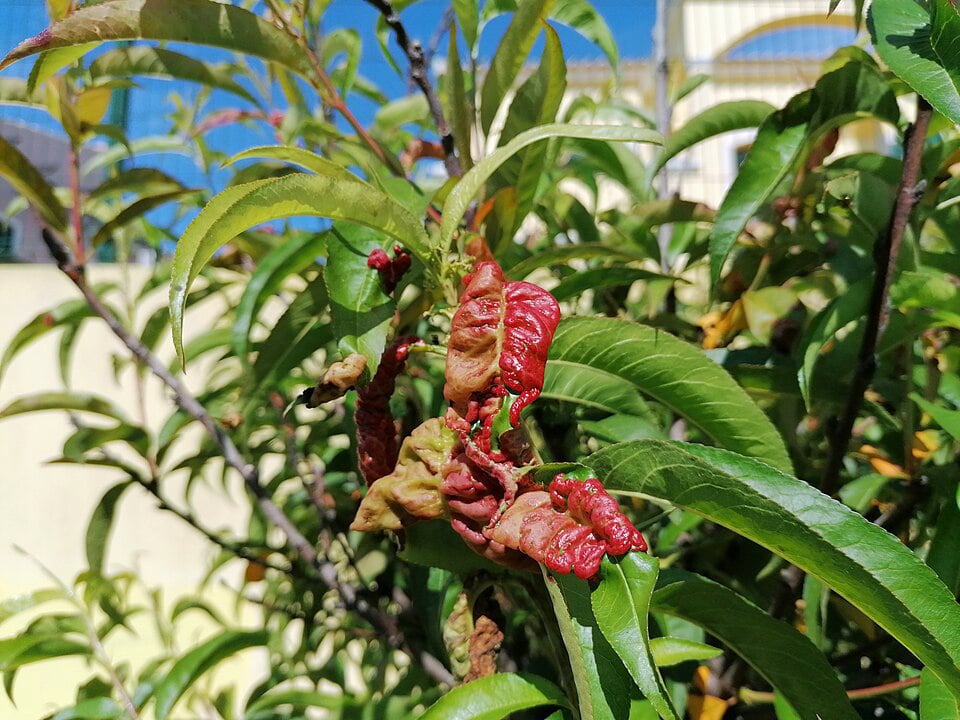
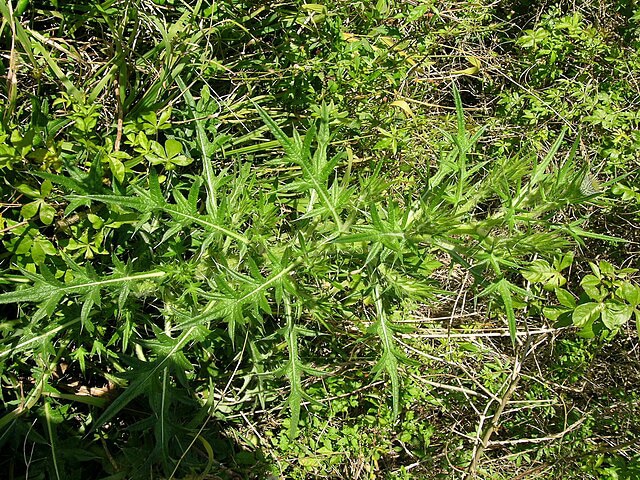
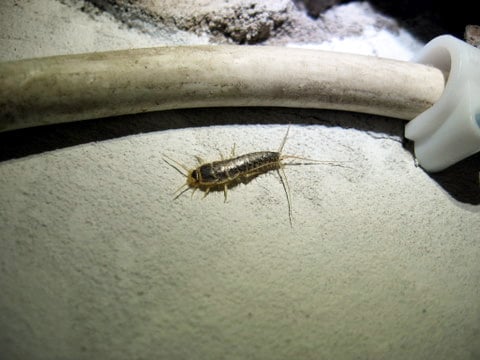
Winter is an important time for home gardeners to reduce pest and disease problems before the next growing season begins. Good garden sanitation during the dormant months can greatly limit the number of insects, pathogens, and weeds that survive to cause trouble in spring. Many common garden pests overwinter in plant debris. Insects such as

Clean-up Now to Prevent Spring Problems Read More »

World Pollution Prevention Day

World Pollution Prevention Day that is observed every year on December 2nd, serves as an urgent reminder for all of us to address the environmental challenges that our planet faces. With human activities continuing to degrade the Earth’s natural resources, pollution has become a pressing issue that necessitates immediate attention. A close look at the

World Pollution Prevention Day Read More »

Think before you spray

Think before you spray. It sounds good, and makes sense relative to using pesticides. But what does it really mean? In a nutshell, it means that when you have a pest problem, understand what you’re trying to manage before you take action. Know what the pest is, determine how much damage you can tolerate from

Think before you spray Read More »

Support Monarch Butterfly Conservation

Monarchs, the beloved butterflies in North America, are in trouble.  The monarchs that breed in western North America migrate toward the Pacific to overwinter in tree groves scattered along the coast from Mendocino County in California to Baja California in Mexico. For twenty years, counts have been made of overwintering butterflies thanks to volunteers with

Support Monarch Butterfly Conservation Read More »

Got ants?

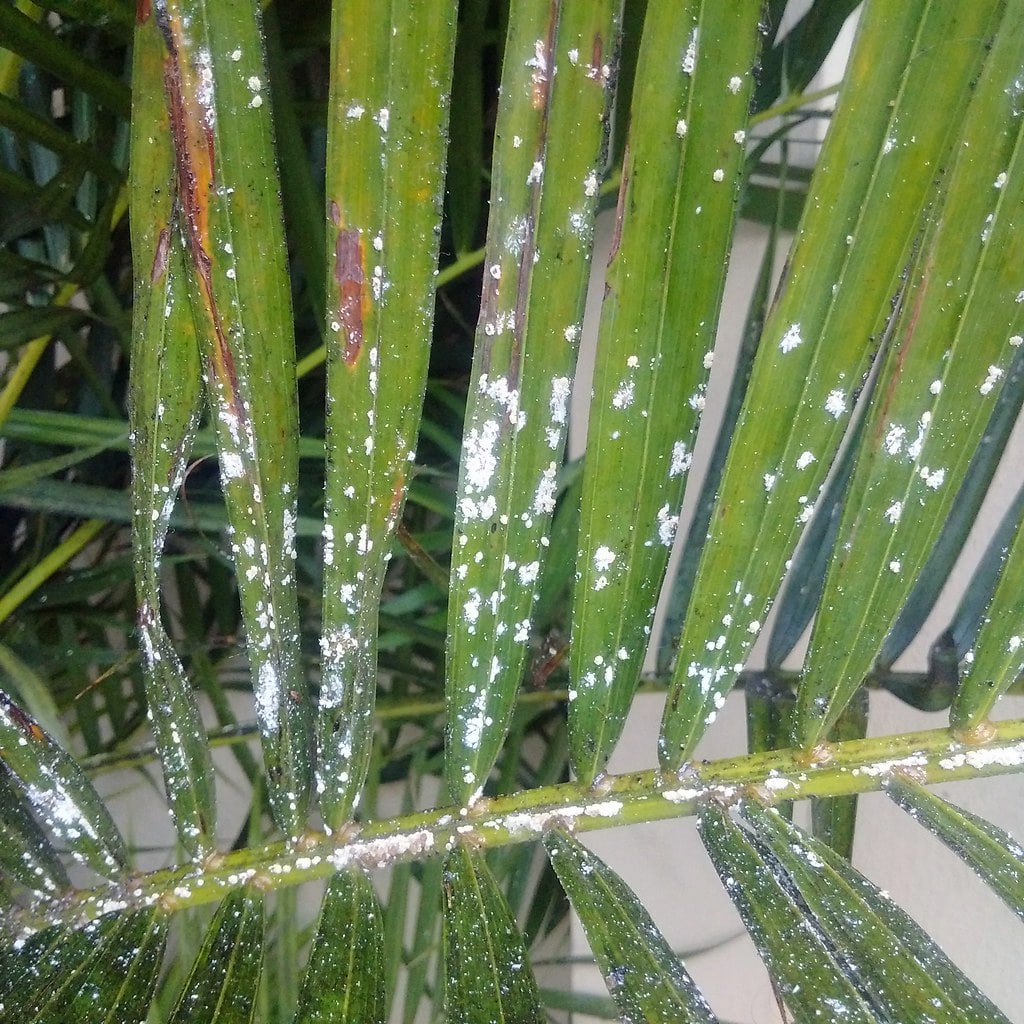
Ants on your artichoke plant? Your plum tree or leafy vegetables?  They’re a prime indicator that sucking insects are feasting on your plants.  There’s a group of soft-bodied insects — aphids, mealybugs, soft scale and whiteflies being the most common, that feed by sucking juices from plants. The direct damage they inflict on the plant

Got ants? Read More »


Scroll to Top