ysmarin

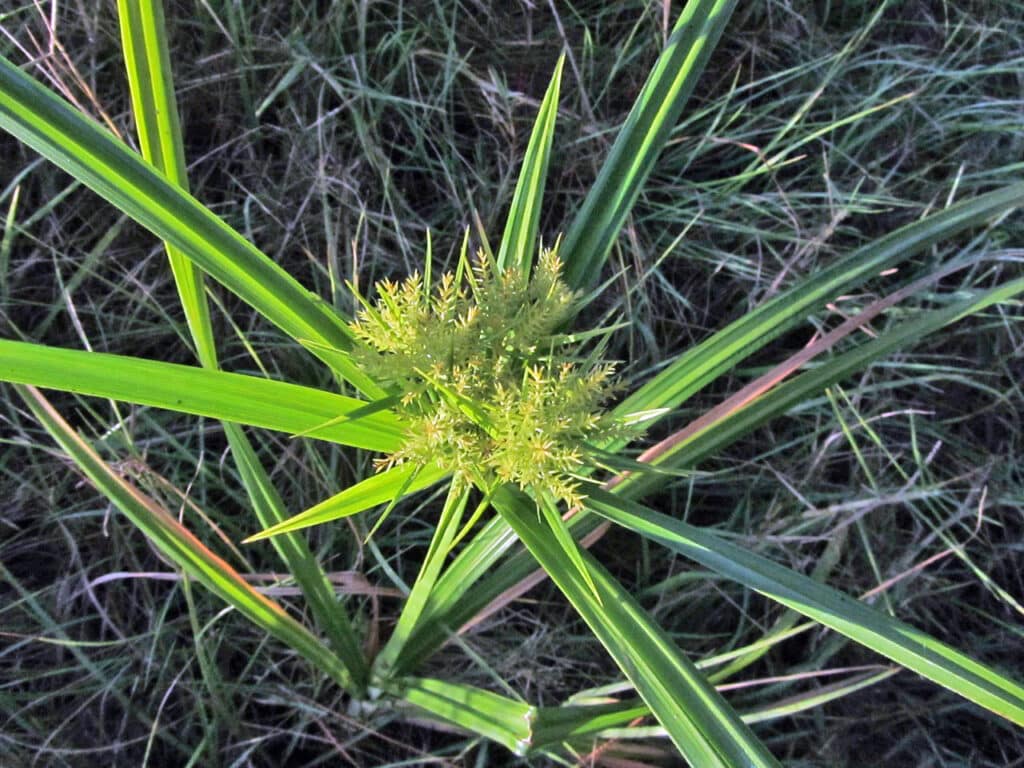
Horticultural Vinegar: A Natural Tool for Weed Control

If you’re looking for an alternative to synthetic herbicides, horticultural vinegar can be an effective option for controlling young weeds. Unlike household vinegar, which contains about 5% acetic acid, horticultural vinegar typically contains 20% or more. This higher concentration makes it much more effective at burning the leaves and stems of small, actively growing weeds.

Horticultural Vinegar: A Natural Tool for Weed Control Read More »

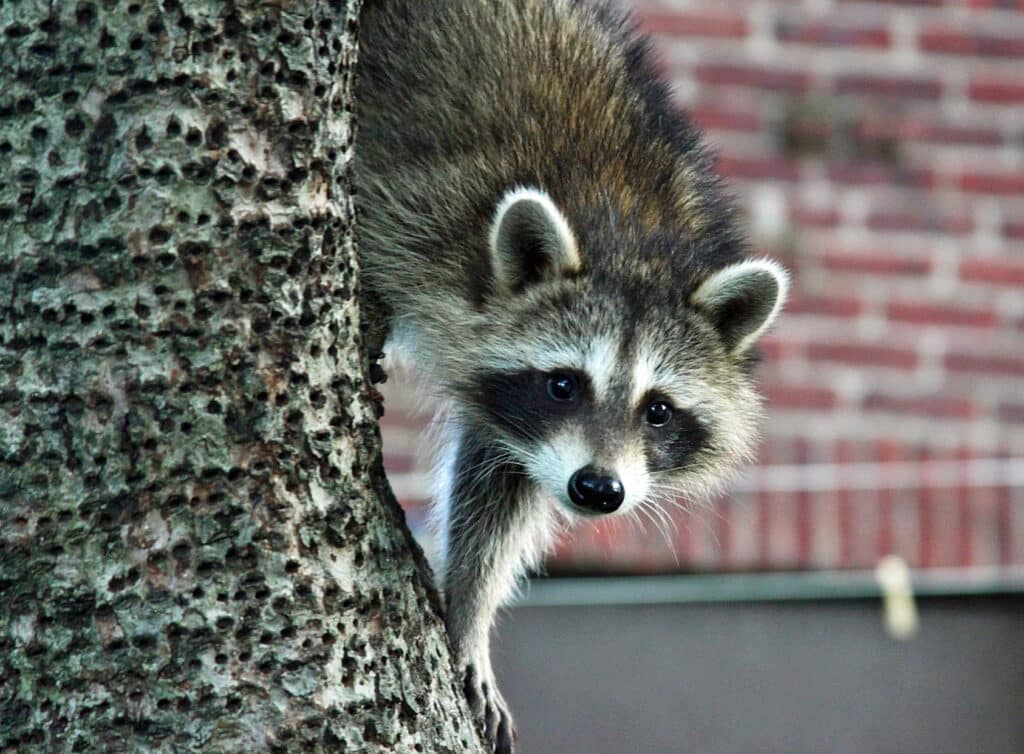
Compost Smarter: Keep the Good, Keep Out the Rats

Home composting is one of the best things you can do for your garden—and the environment. By turning kitchen scraps and yard trimmings into rich, nutrient-filled compost, you reduce the amount of waste going to landfills, improve your soil naturally, and help plants thrive without relying as heavily on commercial fertilizers. It’s a win for

Compost Smarter: Keep the Good, Keep Out the Rats Read More »

Is your mulch safe?

Mulch is a popular addition to gardens, offering benefits like moisture retention, temperature regulation, and weed suppression. However, not all types of mulch are created equal, and some can pose risks to both your plants and the environment. It’s important to be aware of the potential hazards associated with certain mulches, particularly chemically treated wood,

Is your mulch safe? Read More »

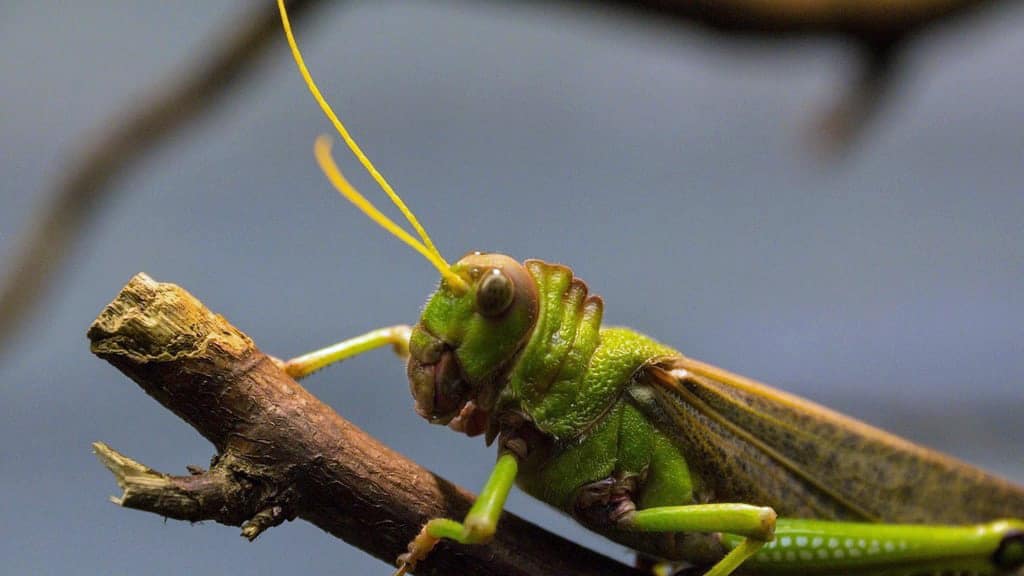
Is that an Ant or a Termite?

During this time of year, many insects, including ants and termites, search for new places to establish colonies. When conditions are right—warmer temperatures, brighter sunlight, and light winds—winged insects leave their original nests. This mass flight is known as swarming, and the winged insects are called swarmers or alates.  Although dramatic, swarming itself is short-lived

Is that an Ant or a Termite? Read More »

What’s eating your leaves?

First, you see them, then you don’t. The glossy new leaves on your dwarf fruit tree vanish overnight. The mahogany-colored foliage on your prize rose is suddenly shredded. Even the tough, leathery leaves of a California live oak show heavy chewing. A closer look reveals little more than ragged leaf edges and missing tissue. Chances

What’s eating your leaves? Read More »

Surprising Predators of Rodents

Egrets and herons are best known for stalking fish and frogs along shorelines, but these elegant birds are also effective predators of gophers and other small rodents. In gardens, fields, orchards, and open landscapes, they can play a helpful role in naturally reducing rodent populations. Both egrets and herons belong to the family Ardeidae and

Surprising Predators of Rodents Read More »


Scroll to Top