Prevention

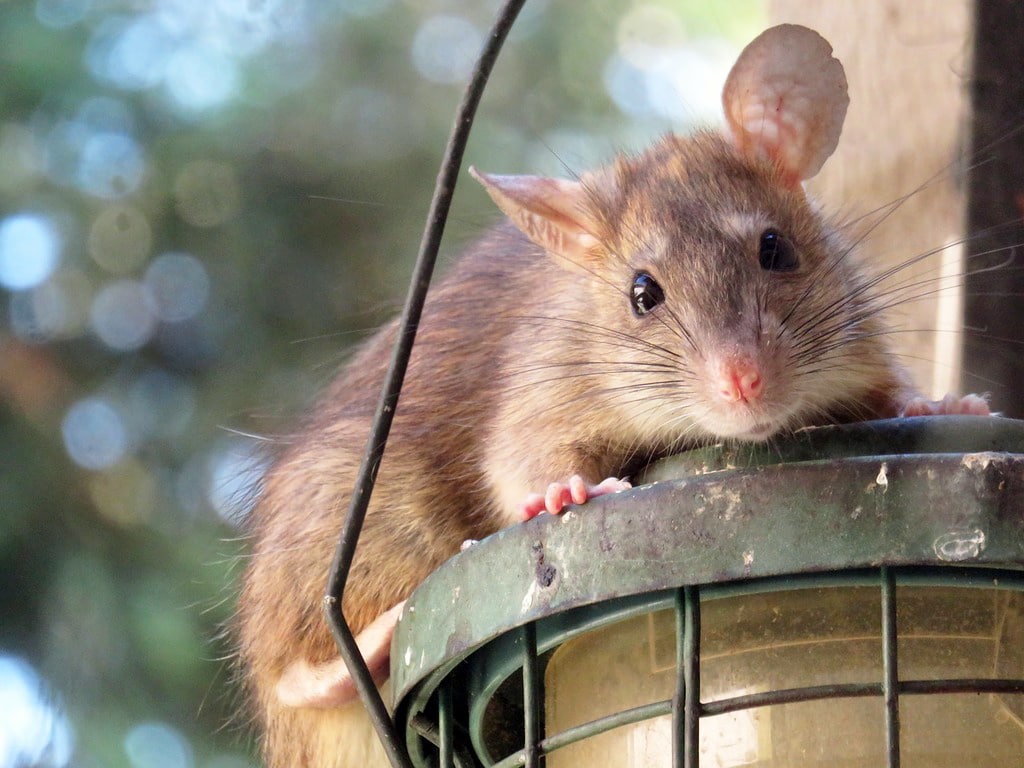
Compost Smarter: Keep the Good, Keep Out the Rats

Home composting is one of the best things you can do for your garden—and the environment. By turning kitchen scraps and yard trimmings into rich, nutrient-filled compost, you reduce the amount of waste going to landfills, improve your soil naturally, and help plants thrive without relying as heavily on commercial fertilizers. It’s a win for […]

Compost Smarter: Keep the Good, Keep Out the Rats Read More »

Is your mulch safe?

Mulch is a popular addition to gardens, offering benefits like moisture retention, temperature regulation, and weed suppression. However, not all types of mulch are created equal, and some can pose risks to both your plants and the environment. It’s important to be aware of the potential hazards associated with certain mulches, particularly chemically treated wood,

Is your mulch safe? Read More »

A Dastardly Duo of Diseases that can Plague your Roses

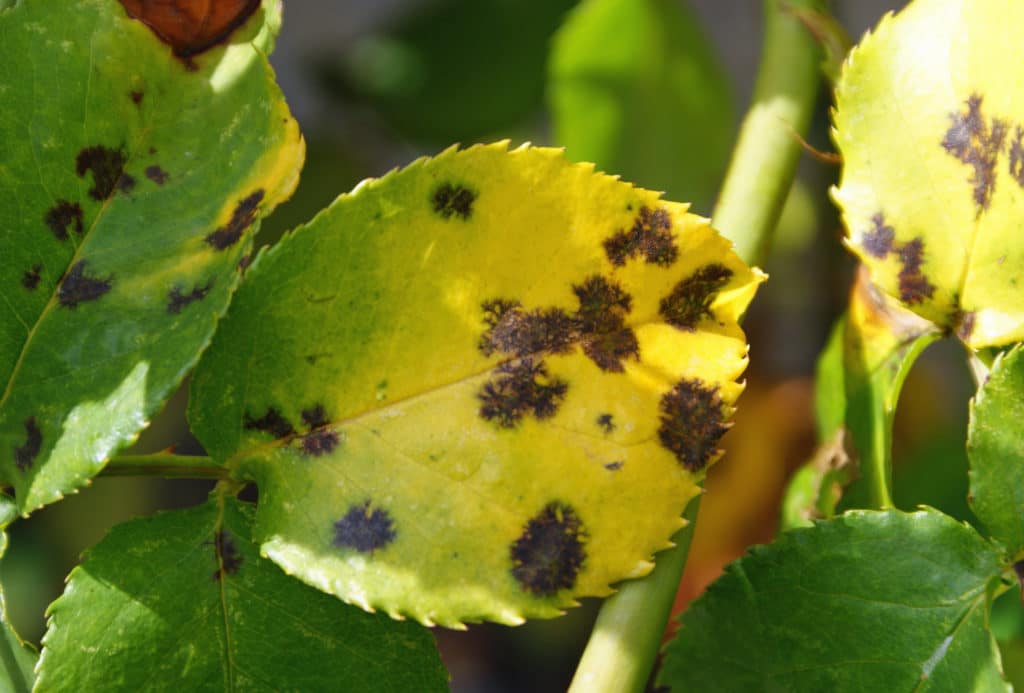
Gorgeous roses are a wonderful addition to any garden. But throw in a few days of spring rain and voila, you might end up with nearly naked plants. This dramatic effect is likely a result of infection by either blackspot or rust, the gardener’s plague of wet spring or fall months. Effectively managing these invaders

A Dastardly Duo of Diseases that can Plague your Roses Read More »

Be careful with that birdseed!

Backyard birdwatching is a rewarding hobby, but it can attract some unwanted guests—rats and mice. These rodents will happily scavenge food meant for birds, but with a few simple strategies, you can prevent them from raiding your feeders and ensure that your feathered friends get their share. 1. Choose Rodent-Proof Feeders and Stations The first

Be careful with that birdseed! Read More »

Designer leaves? Look again!

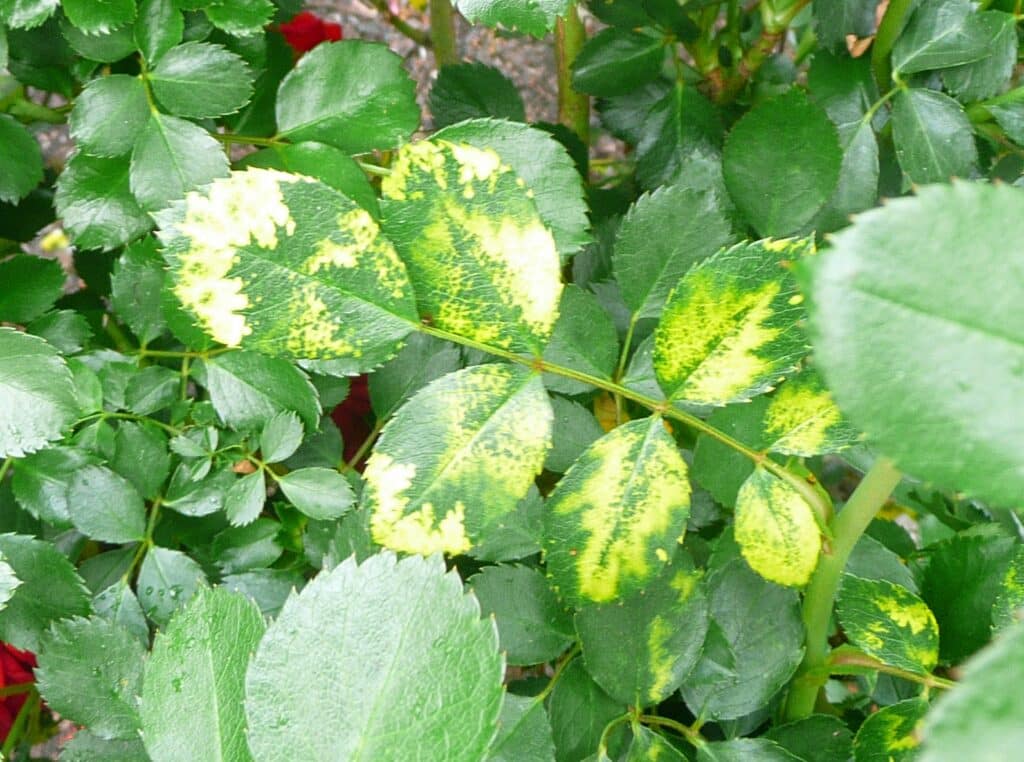
Those striking green-and-yellow marbled leaves hanging over the fence from your neighbor’s apple tree may look like a fashionable new cultivar, but they are more likely the result of a mosaic virus. What Are Mosaic Viruses? Plants Commonly Affected Typical Symptoms (vary with plant species, virus type, and weather) How Mosaic Viruses Spread Management and

Designer leaves? Look again! Read More »

These bugs are good for the garden!

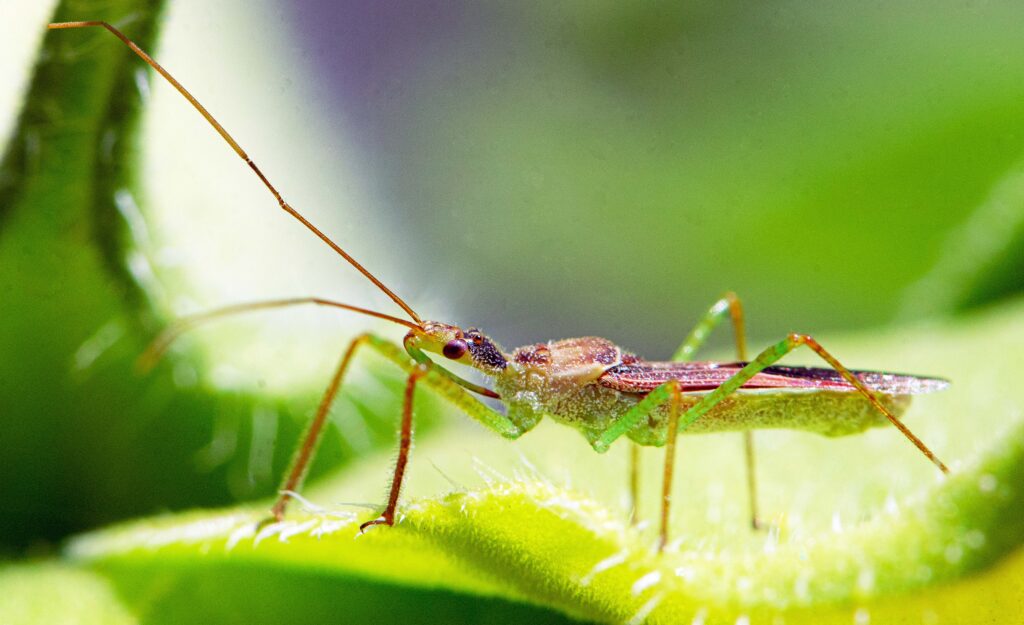
Murderers lurking in garden shadows sounds like something out of a gothic novel.  And certainly not something you’d think you’d want roaming around on your tranquil piece of land, but if they’re of the insect type, you definitely do.  Meet the assassin bugs. These aptly named beneficial insects are voracious predators of a wide variety

These bugs are good for the garden! Read More »

Distorted Leaves on your Peach Tree? May be Peach Leaf curl

Peach leaf curl is a common fungal disease affecting peach and nectarine trees, causing distorted, thickened, reddish leaves in spring. The good news is that it can be effectively managed using low-toxicity, preventative methods that focus on timing, tree health, and minimal intervention. Understanding Peach Leaf Curl Least Toxic Treatment Methods Cultural and Preventative Practices

Distorted Leaves on your Peach Tree? May be Peach Leaf curl Read More »

What Is That White Sticky Stuff on My Plant?

It’s the chilly time of year when gardeners look ahead to spring—starting cool-season vegetables, finishing pruning chores, and finally paying attention to long-neglected houseplants. Taking a closer look at indoor plants can sometimes reveal more than dust, and one common winter surprise is mealybugs. How to Recognize Mealybugs Plants Commonly Affected What They Are and

What Is That White Sticky Stuff on My Plant? Read More »

Clean-up Now to Prevent Spring Problems

Winter is an important time for home gardeners to reduce pest and disease problems before the next growing season begins. Good garden sanitation during the dormant months can greatly limit the number of insects, pathogens, and weeds that survive to cause trouble in spring. Many common garden pests overwinter in plant debris. Insects such as

Clean-up Now to Prevent Spring Problems Read More »


Scroll to Top