Environment

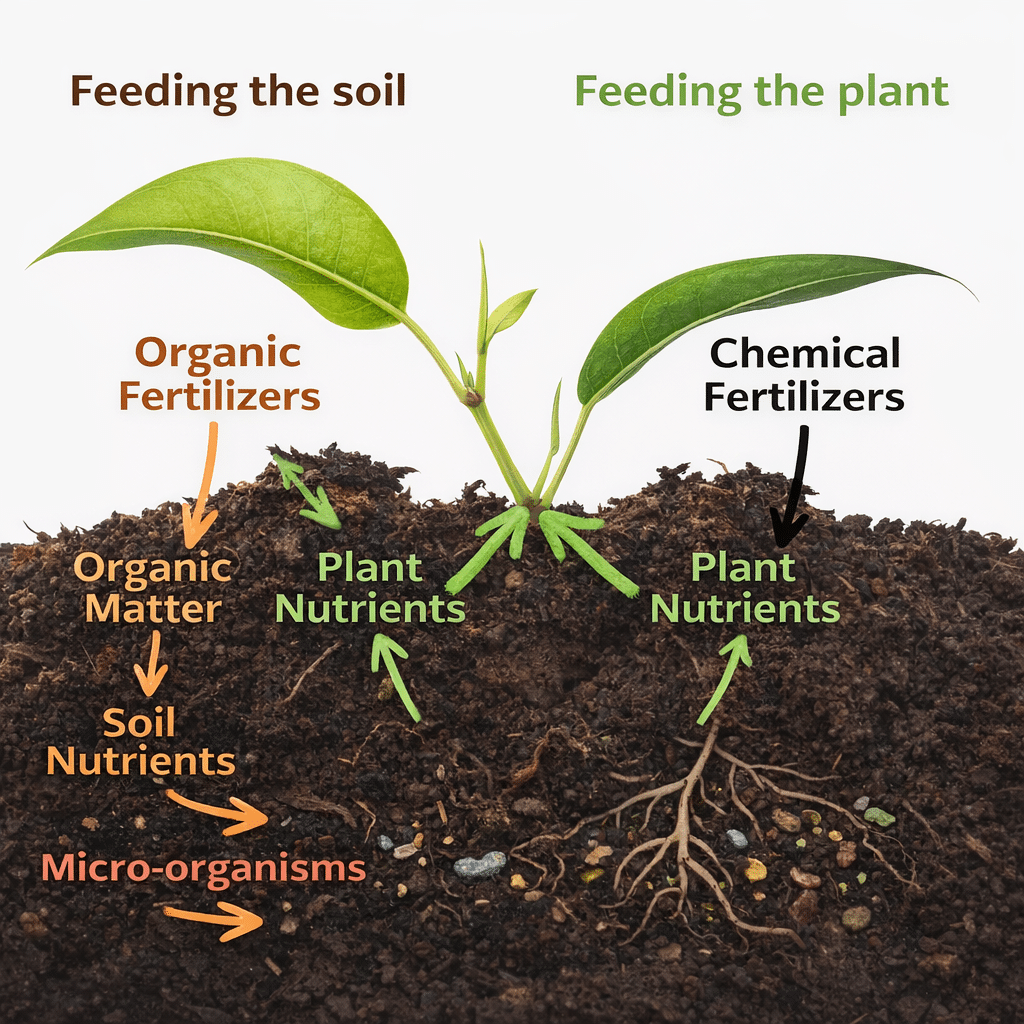
Choosing a Fertilizer to Protect Garden Soil

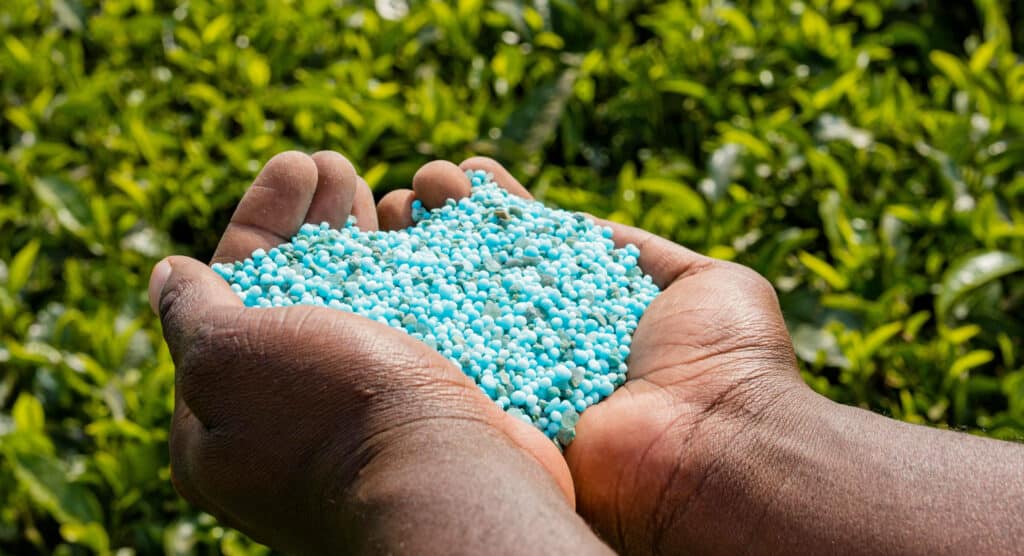
Garden fertilizers supply nutrients that plants need to grow, flower, and produce fruit, but not all fertilizers work the same way. Broadly, they fall into two categories: synthetic (chemical) fertilizers and organic fertilizers. Understanding the differences helps gardeners make choices that support both healthy plants and a healthy environment. Chemical fertilizers are manufactured products that […]

Choosing a Fertilizer to Protect Garden Soil Read More »
Take Care When Using Pesticides Inside the House

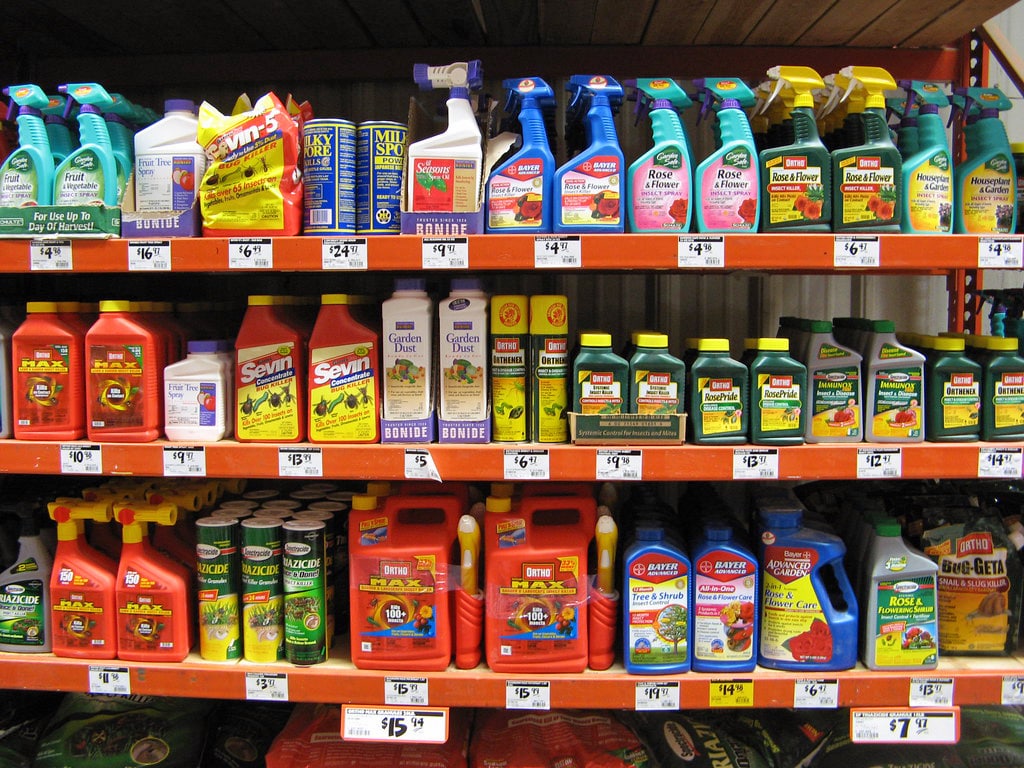
Many products commonly found in the home are legally considered pesticides, even though they may not be sold in the traditional “bug spray” aisle. A pesticide is any substance used to prevent, destroy, repel, or control pests. Because these materials can affect people, pets, and the indoor environment, safe and informed use is important, especially

Take Care When Using Pesticides Inside the House Read More »

Support Monarch Butterfly Conservation

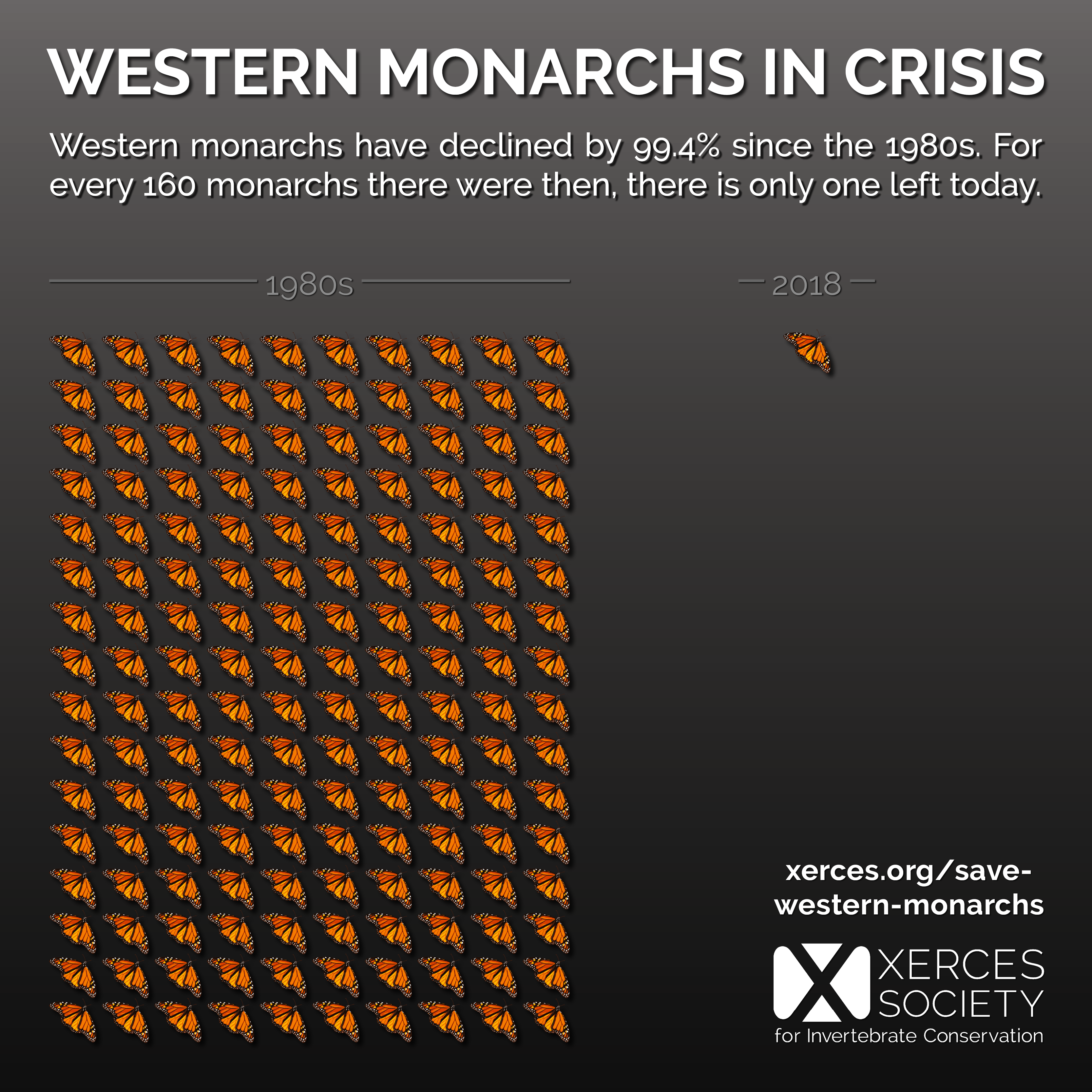
Monarchs, the beloved butterflies in North America, are in trouble.  The monarchs that breed in western North America migrate toward the Pacific to overwinter in tree groves scattered along the coast from Mendocino County in California to Baja California in Mexico. For twenty years, counts have been made of overwintering butterflies thanks to volunteers with

Support Monarch Butterfly Conservation Read More »

Don’t be fooled! 

Pesticides are widely used in our homes and gardens, from sprays for ornamental plants that are toxic to birds and bees. Don’t assume these products are safe simply because they are for sale. Neonicotinoids—now the most widely used insecticides—are found in hundreds of products including insect sprays, seed treatments, soil drenches, tree injections, and veterinary

Don’t be fooled!  Read More »

Create a tick-safe environment

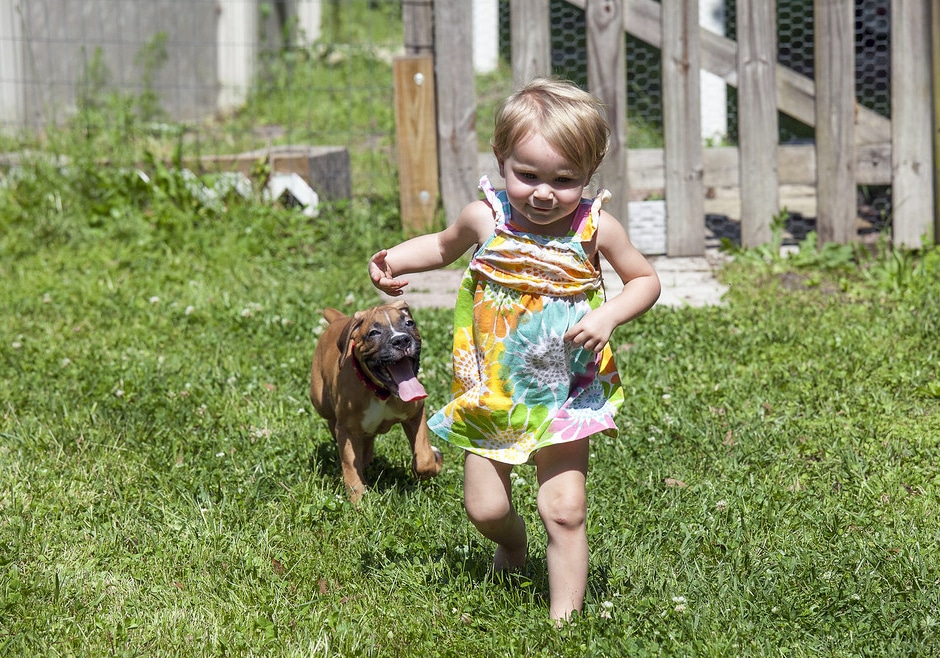
Did you know that ticks can live in backyards and neighborhoods? If you’re living near natural areas (such as open fields, parks, or urban hiking trails) it’s a good idea to learn how to avoid ticks at home. Ticks are found outdoors in brushy, wooded areas on plants, rocks, logs, and in leaves and twigs

Create a tick-safe environment Read More »

Don’t plant a pest!

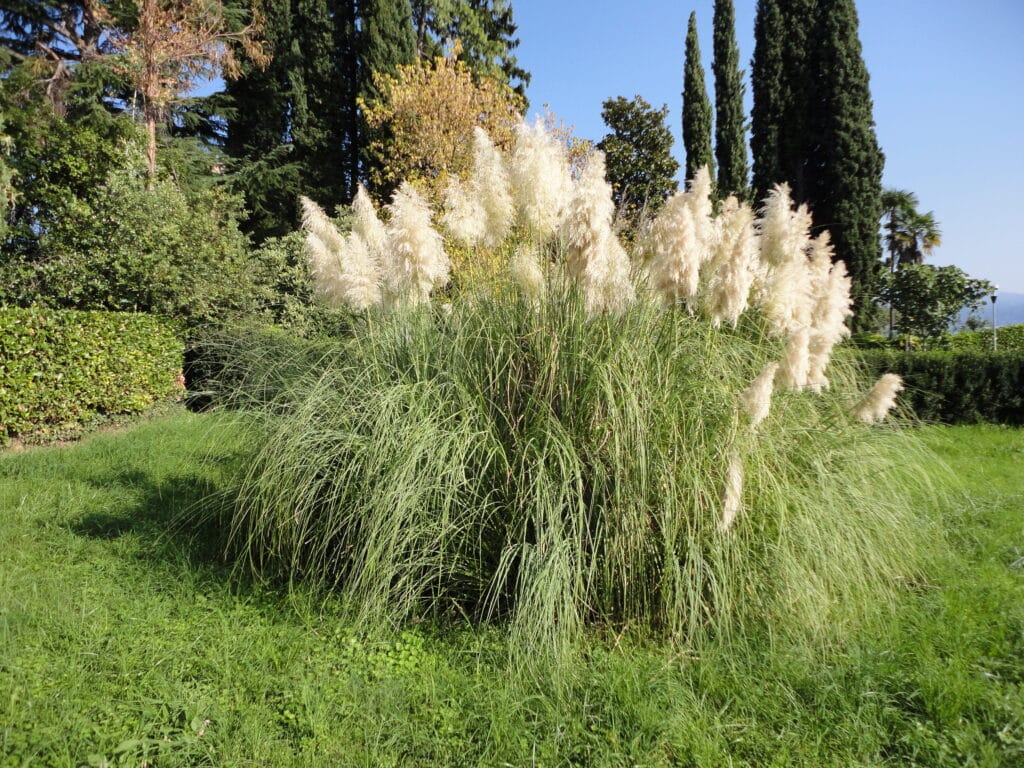
An invasive plant is a plant that is non-native to the ecosystem under consideration, and whose introduction is likely to cause economic or environmental harm, or harm to human health” says Plant Right, a California non-profit working with California’s nursery industry to keep invasive plants out of our landscapes and to promote the sale of

Don’t plant a pest! Read More »

World Pollution Prevention Day

Today is World Pollution Prevention Day – observed around the globe on December 2 to instill awareness on environmental pollution and its negative impacts on our health and the planet. International organizations such as the United Nations (U.N.), the World Health Organization (WHO), Greenpeace, and others have been urging countries all over the world to

World Pollution Prevention Day Read More »

Fall is for Planting Natives!

Fall is for planting!  And no better time to add some native plants to your garden.  Why natives?  There are lots of reasons including conserving water, reducing chemical usage (no pesticides, herbicides, or fertilizers are needed with natives) and encouraging wildlife. Want a colorful garden and don’t think you can do it with mostly natives? 

Fall is for Planting Natives! Read More »


Scroll to Top