Damage to plants

It’s perfect weather for rust

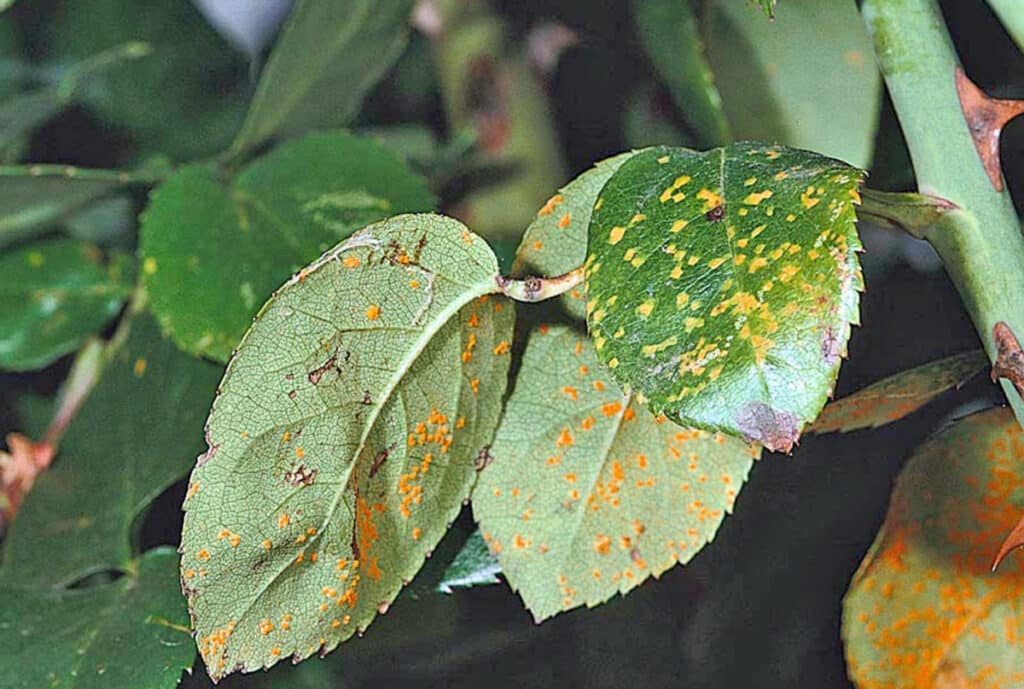
What happens when you combine mild weather, a rain that lasts for a day or two and rapidly growing plants fighting for space? Nature has provided perfect growing conditions for the disease rust.  One of the most common fungal diseases of garden plants, there are thousands of different species of rust that infect trees, shrubs, […]

It’s perfect weather for rust Read More »

Could it be Fire blight?

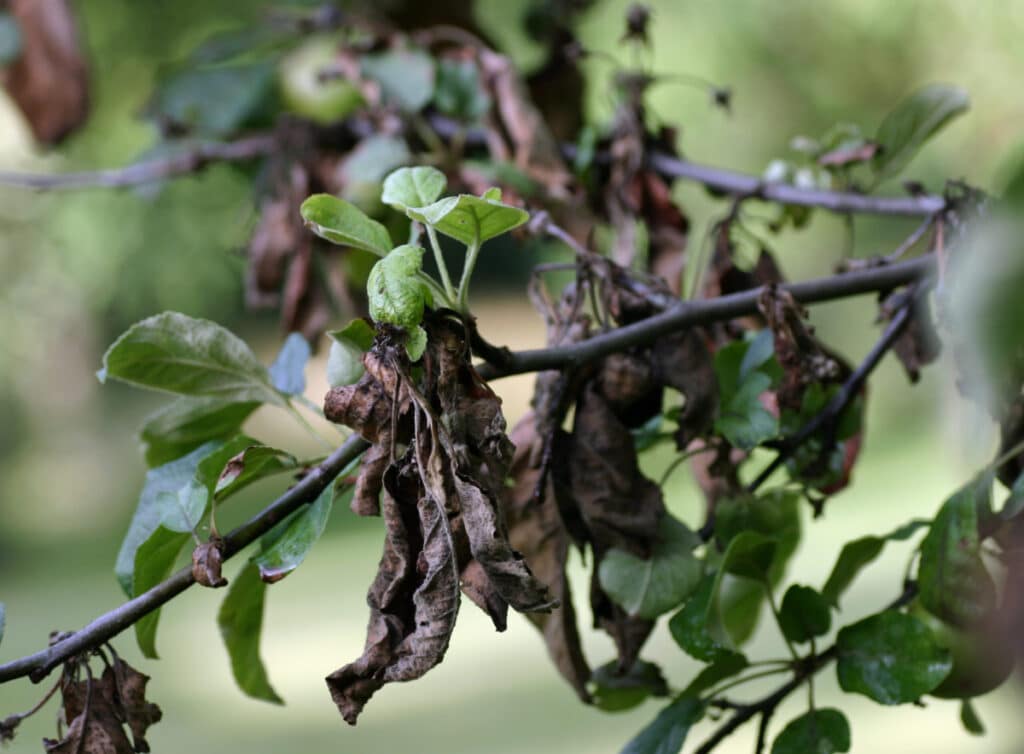
As you drive through neighborhoods in mid-February, you may be delighted by the large trees clothed in puffy cloud looking blossoms of white.  Common throughout Marin, ornamental pear trees, specifically ‘Bradford’ pears, put on a spectacular show. In the mid-1960’s landscapers and municipal planners planted lots of them – they grew fast, took any kind

Could it be Fire blight? Read More »

Creeping Garden Thugs do a lot of Damage

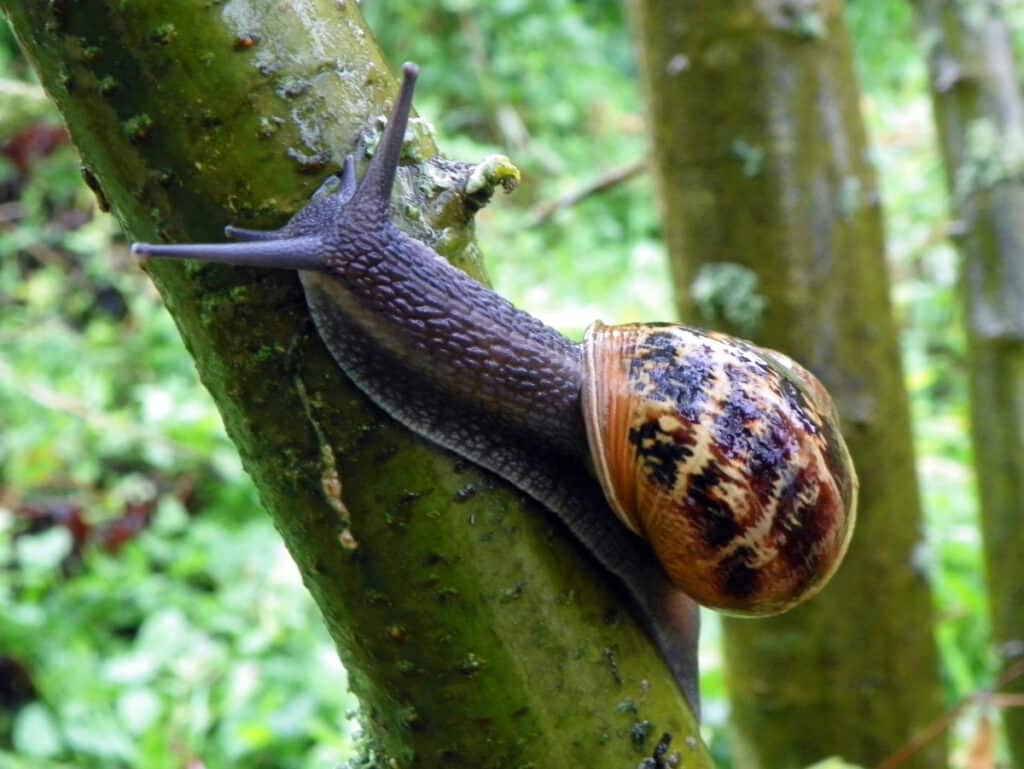
It’s likely you don’t need an introduction to snails and slugs, the bane to most gardeners. Loosely related to octopi and oysters, they glide along on their muscular foot, secreting mucus to facilitate movement, leaving their trademark glistening trail behind.  With similar biology, the snail carries an external shell while slugs have evolved without one.

Creeping Garden Thugs do a lot of Damage Read More »

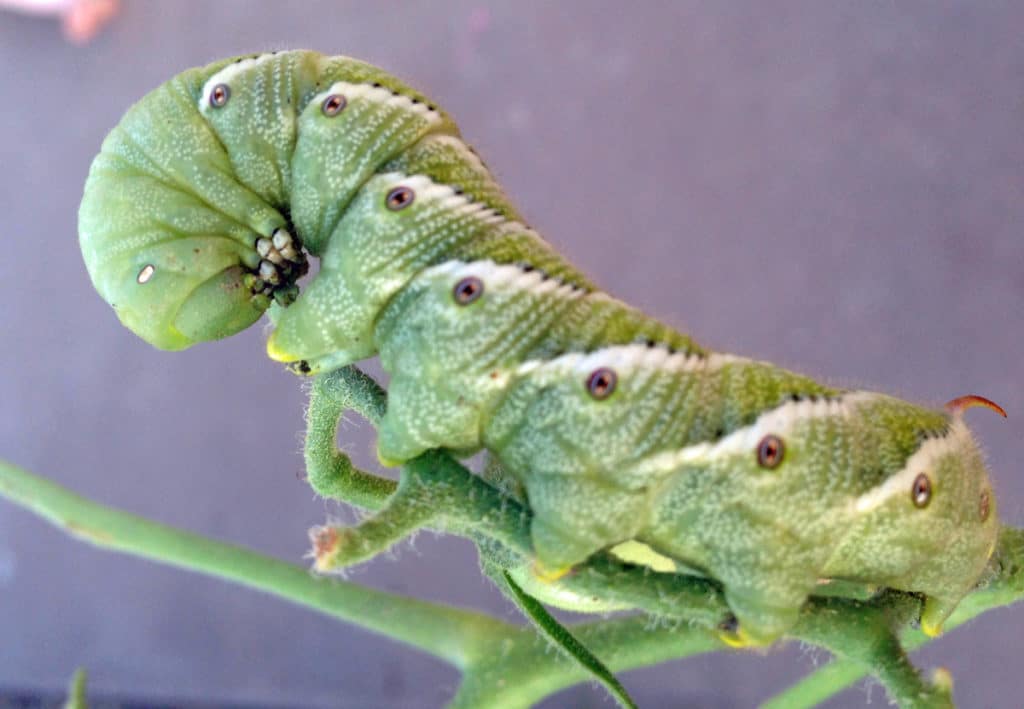
Good or Bad Guy Chomping Your Tomatoes?

If you notice a quarter of a tomato plant missing overnight, but you can’t figure out what’s causing it, look closer!  A master of disguise, the tomato hornworm may be the culprit! These are enormous caterpillars – up to four inches long!  Their striping pattern makes them hard to spot despite their size. One tell-tale

Good or Bad Guy Chomping Your Tomatoes? Read More »

Protect Pollinators from Neonics

Did you know you can unwittingly expose pollinators to harmful pesticides?  Some plant growers still use strong insecticides when growing their garden plants.  Neonicotinoids, commonly referred to as “neonics,” are very toxic to pollinators, beneficial insects, and aquatic invertebrates, and are the most widely used class of insecticides in the world. The active ingredients in

Protect Pollinators from Neonics Read More »


Scroll to Top